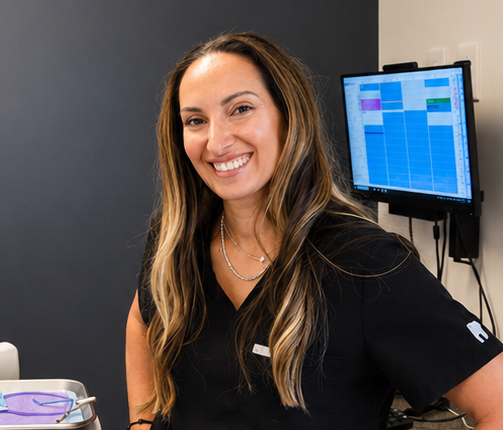
When You Should Consider Visiting an Emergency Dentist
May 1, 2026Dental emergencies can happen suddenly. A cracked tooth during dinner, sudden swelling before work, or a severe toothache that keeps you up at night can leave you unsure of what to do next. In these situations, getting care quickly matters. Getting care quickly can ease discomfort, limit the spread of infection, and increase the likelihood of saving the affected tooth. In moments like these, emergency dentistry in North Weymouth, MA, becomes essential for managing pain and preventing the issue from getting worse. For patients in North Weymouth and nearby communities such as Quincy, Hingham, and Braintree, knowing when to seek care can make treatment simpler and safer. Smile Rx, Sandra Ameri D.M.D. – Weymouth Dentist emphasizes personalized care in Weymouth, supporting a calm and patient-centered approach to urgent dental treatment.
What Is Considered a Dental Emergency?
A dental emergency involves any oral health problem that requires prompt attention to control bleeding, ease significant pain, treat infection, or prevent further harm to a tooth.
Common dental emergencies include:
- Severe tooth pain that does not improve
- Swelling in the gums, face, or jaw
- A knocked-out tooth
- A loose adult tooth
- A broken or cracked tooth with pain
- Bleeding that does not stop
- Signs of infection such as pus, swelling, pressure, or fever
A lost filling without pain may still need timely care, but it is usually less urgent than swelling, trauma, or severe tooth pain. For sudden swelling, dental trauma, or persistent pain, emergency dentistry plays an important role in relieving discomfort and preventing the problem from becoming more serious.
Common Signs You Need an Emergency Dentist
Some symptoms may seem minor at first, but mild soreness can become sharper, slight swelling can worsen within hours, and a small crack can deepen when you chew.
Signs that should not be ignored
1. Tooth pain that is strong, constant, or throbbing
Persistent pain may point to infection, nerve irritation, or deep decay. When pain continues or worsens, it should be evaluated promptly.
2. Swelling in the gums, cheek, or jaw
Swelling often signals inflammation or infection. If swelling is visible or painful, it should be checked as soon as possible.
3. A cracked, broken, or knocked-out tooth
Dental trauma can expose the inner part of the tooth and increase the risk of pain, infection, or further damage.
4. Bleeding that continues after pressure
Bleeding from the mouth after an injury should be evaluated if it does not stop after applying gentle pressure.
5. Pain when biting or sudden sensitivity with pressure
This may suggest a cracked tooth or inflammation inside the tooth and should be checked by a dentist. Not every dental problem needs same-day treatment, but when swelling, bleeding, or trauma is involved, the difference between routine care and an emergency dentist near me becomes much more important.
Why You Shouldn’t Delay Emergency Dental Care
Delaying treatment can allow a manageable problem to become more serious.
Delays may lead to:
- Increased pain and inflammation
- Higher risk of infection spread
- Greater damage to the tooth
- More complex and costly treatment later
- Reduced chances of saving a tooth after trauma
For example, a small crack can deepen over time. Mild swelling can become more serious if an infection is present. Prompt care does more than relieve pain. It also helps the dentist identify the cause and recommend treatment before the condition worsens. This approach also aligns with the practice’s focus on diagnosis, treatment planning, and protecting oral health through professional care and modern dental technology. When a tooth breaks, a dentist in North Weymouth, MA will assess the extent of the damage, check for signs of deeper injury, and recommend the most appropriate next step.
What to Do Before You Reach the Dentist
Home care is not a substitute for treatment, but a few simple steps can help protect your mouth until your appointment.
If you have a knocked-out tooth
- Pick up the tooth by the top (crown) and try not to touch the root
- tooth by the crown, avoiding contact with the root
- Rinse it gently with water if needed
- Do not scrub the tooth
- Place it back in the socket if possible
If you have swelling
- Use a cold compress on the outside of the face
- Keep your head elevated
- Avoid placing aspirin directly on the gums
If you have a toothache
- Rinse with warm salt water
- Gently floss to remove trapped debris
- Avoid very hot, cold, or hard foods
- Use a cold compress if needed
If you broke a tooth
- Rinse your mouth gently
- Save any broken pieces if possible
- Avoid chewing on that side
- Seek prompt dental care
These steps may reduce discomfort and limit further injury, but they do not treat the underlying cause. A dentist still needs to examine the area and recommend the right care.
Book Your Emergency Dental Appointment Today
Dental emergencies are stressful, but knowing what to do can help. When you experience severe pain, swelling, bleeding, or a damaged tooth, early care can protect both comfort and long-term oral health. For patients in North Weymouth and nearby areas such as Quincy, Hingham, and Braintree, access to local dental care matters. Do not wait and hope the problem goes away on its own. Book your emergency dental appointment today with Smile Rx, and get the care you need right away.