How Often Should I Schedule Oral Cancer Screenings With My Dentist?
December 1, 2025Oral cancer can develop quietly, often without pain or visible symptoms, until later stages. Seeing your dentist regularly helps identify subtle warning signs of oral cancer long before complications arise. For those looking into oral cancer screenings in Weymouth, MA, learning the right timing and purpose of these visits can greatly support lasting oral health.”
Every Routine Dental Checkup
For most adults, oral cancer screenings should occur during each routine dental checkup, generally every six months. These appointments already focus on preventive care, making them the ideal time for your dentist to perform a comprehensive head and neck evaluation. By pairing a cleaning with a screening, your dental team can identify subtle tissue changes before symptoms become noticeable.
Your dentist examines all soft tissues, including the tongue, cheeks, palate, and throat, looking for unusual patches, swelling, or sores. They may also feel along your jawline and neck for any abnormal lumps. Because these screenings are quick, painless, and noninvasive, they fit seamlessly into standard care without extending your visit time. Patients who only attend once a year should consider increasing their frequency to ensure early detection and consistent monitoring of changes between visits.
Routine screenings also build a valuable health record. Over time, your dentist becomes familiar with your normal oral anatomy, allowing them to identify even small shifts in color, size, or texture that might otherwise go unnoticed. This continuity of care ensures no subtle warning sign is overlooked.
More Frequent Screenings for Higher Risk Patients
Some people benefit from more frequent or targeted screenings. Oral cancer risk rises with certain lifestyle and medical factors, and your dentist may personalize your schedule based on these considerations.
Common risk factors include:
- Tobacco use: Both smoked and smokeless forms irritate oral tissues and significantly raise cancer risk.
- Alcohol consumption: Frequent alcohol use, especially when combined with tobacco, multiplies the danger.
- Human papillomavirus (HPV): Certain strains, particularly HPV-16, are linked to oropharyngeal cancers.
- Prolonged sun exposure: Increases the likelihood of lip cancer, particularly in outdoor workers.
- History of oral lesions or cancer: Those previously treated for head and neck cancers need ongoing monitoring.
- Weakened immune system: Autoimmune diseases or immunosuppressive medications can elevate risk.
For higher-risk patients, screenings may occur at every dental visit, even quarterly for those on periodontal maintenance schedules. Early detection is especially critical for this group since cancers in the mouth or throat can spread rapidly.
If you’re exploring providers by searching dentist near me, ask how often they recommend screenings based on your health profile. A proactive dental team should tailor your recall frequency and make sure your screenings align with your individual risk factors.
What Happens During a Screening?
An oral cancer screening is quick, often completed in five minutes or less, but it’s incredibly thorough. The process includes both visual inspection and gentle palpation to assess tissues that can’t be evaluated by sight alone.
- Medical History Review
Your dentist starts by discussing recent health changes, new medications, or symptoms such as sore throats, ear pain, or swallowing difficulty.
- Extraoral Examination
The dentist gently feels your jaw, neck, and lymph nodes to detect swelling, firmness, or tenderness that could signal an underlying issue.
- Intraoral Examination
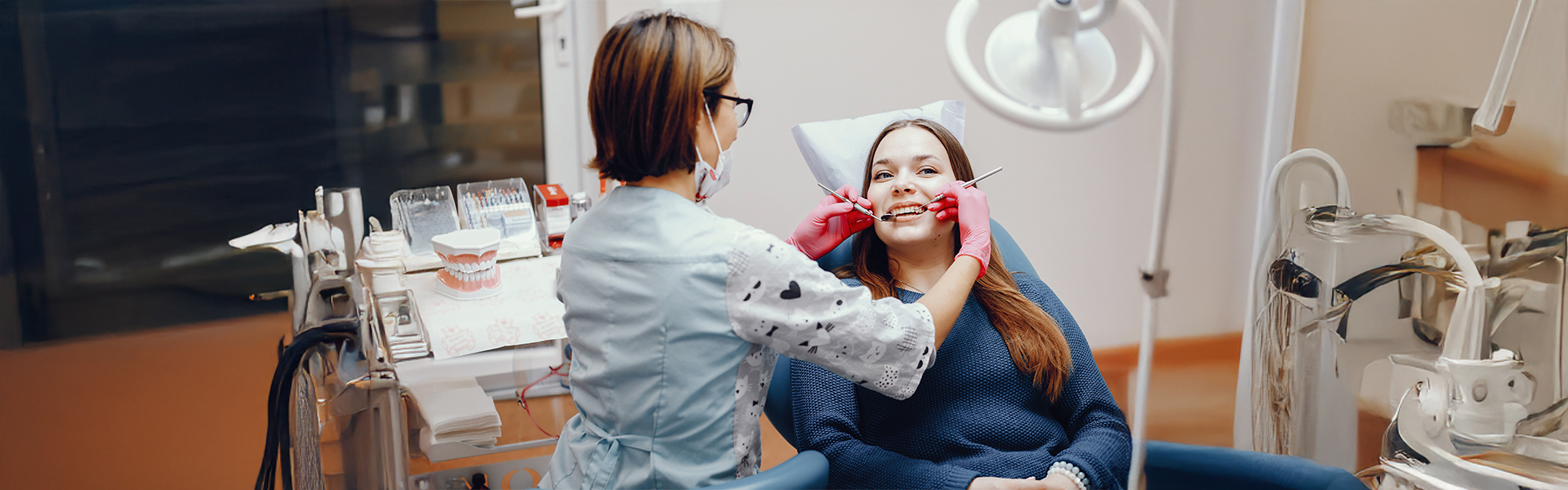
Using a light and mirror, your dentist inspects the tongue (including the underside), gums, lips, palate, and throat. They look for discolored areas, rough patches, ulcers, or any persistent changes in texture or thickness.
- Documentation
Any areas of concern are photographed and noted in your chart for follow-up comparison. This documentation helps track whether a lesion resolves or progresses over time.
- Follow-Up or Referral
If something looks unusual, you’ll typically return within two to three weeks for re-evaluation. Persistent or suspicious areas may require a biopsy or referral to an oral surgeon or ENT specialist.
Some offices use special lights or rinses that highlight abnormal cells. While these tools can assist in detection, a detailed clinical exam remains the foundation of effective screening. It’s a collaborative process that ensures you receive a clear, timely diagnosis when necessary.
Why Early Detection Matters
The success rate for treating oral cancer depends heavily on how early it’s discovered. When caught in its initial stages, treatment options are less invasive, recovery times are shorter, and long-term outcomes are significantly better. Unfortunately, many patients delay evaluation because symptoms, such as a sore or lump, may appear minor at first.
Early detection can prevent extensive surgery or radiation by addressing lesions before they spread deeper into tissues or lymph nodes. It also helps preserve essential functions like speaking, chewing, and swallowing. Because oral cancer can develop silently, relying on symptoms alone is risky. Routine screenings bridge that gap, providing an expert’s eye to spot what you can’t see.
Your dentist’s goal isn’t only to treat disease but also to educate and empower you to recognize potential warning signs at home. Together, early professional screenings and personal awareness create the best defense against late-stage discovery.
Taking Charge of Your Health
Preventing oral cancer starts with consistent habits and informed choices. Between dental visits, take a proactive role in monitoring your oral health.
- Perform monthly self-checks. Examine your tongue, lips, and cheeks in good lighting, and note any changes that persist beyond two weeks.
- Be alert to warning signs. Non-healing ulcers, red or white patches, a chronic sore throat, or unexplained numbness warrant prompt attention.
- Limit risk factors. Reducing alcohol intake and quitting tobacco significantly lowers your long-term risk.
- Maintain your dental schedule. Regular professional cleanings keep your oral tissues healthy and monitored.
- Ask informed questions. If you’re considering restorative treatments such as dental implants near me, make sure your consultation includes a complete oral cancer screening before beginning any major procedure.
Empowered patients make healthier decisions. Understanding what’s normal in your mouth and seeking professional evaluation for anything unusual can protect both your oral and overall well-being.
Final Thoughts
Most adults benefit from an oral cancer screening every six months, ideally paired with routine cleanings. Those with additional risk factors may need them more often. Don’t wait for discomfort; early detection is painless, quick, and life-saving. For comprehensive care and gentle prevention-focused dentistry, the experienced team at Smile Rx welcomes you to schedule your next checkup today.